Introduction: Smile Naturally
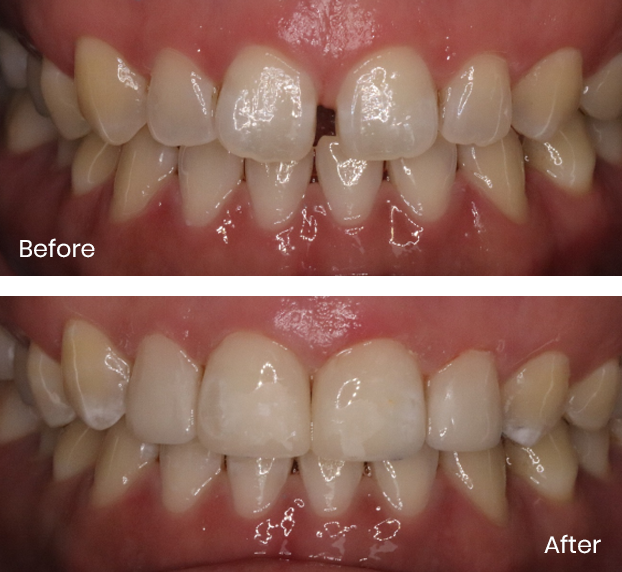
Modern cosmetic dentistry has evolved into an artform that seamlessly blends science with aesthetics. Among the various techniques available, composite bonding London practitioners have mastered stands out as a testament to this evolution, offering patients the perfect balance between natural appearance and structural enhancement.
Understanding Natural Dental Textures
The Significance of Surface Characteristics
Natural teeth possess unique surface characteristics that contribute to their authentic appearance. These subtle variations in texture play a crucial role in how light interacts with teeth, creating the distinctive lustre and depth that makes each smile unique. As highlighted in recent studies on biomimetic approaches in restorative dentistry, understanding these natural characteristics is fundamental to achieving realistic results.
Components of Natural Texture
Dental professionals must consider several elements when recreating natural tooth texture:
- Primary anatomy: The major contours and shapes
- Secondary anatomy: The subtle grooves and ridges
- Tertiary anatomy: Microscopic surface details
The Technical Approach to Texture Creation
Material Selection and Application
The art of creating natural texture begins with selecting the appropriate composite materials. Modern composite resins have evolved significantly, offering varying degrees of opacity and translucency that can be layered to mimic natural tooth structure. Advanced layering techniques in composite bonding demonstrate how practitioners can achieve remarkable results through strategic material placement.
Tools and Techniques
Dental artists employ various instruments to create authentic surface textures:
- Fine-tipped instruments for creating developmental grooves
- Specialised brushes for subtle surface modifications
- Polishing systems for achieving the final lustre
Each tool serves a specific purpose in developing the natural characteristics that make composite bonding appear seamless and authentic. The process requires not only technical skill but also an artistic eye to ensure the final result harmonises with the patient’s existing dentition. The success of composite bonding relies heavily on the practitioner’s ability to understand and recreate these natural textures. In the competitive landscape of composite bonding in London practices, those who master this artistry stand out for their ability to deliver exceptionally natural-looking results.
Achieving Optimal Results
Light and Surface Interaction
Understanding how light interacts with dental surfaces is crucial for achieving natural-looking results. Research on optical properties of dental materials has shown that the way light reflects and refracts through composite materials significantly impacts the final aesthetic outcome. Practitioners must consider factors such as:
- Surface roughness and its effect on light reflection
- The balance between glossy and matte areas
- The interaction between different composite layers
Customisation and Individual Characteristics
Every patient’s dentition presents unique characteristics that must be considered during the composite bonding process. Skilled practitioners in composite bonding in London practices understand that successful outcomes depend on their ability to:
- Match adjacent tooth textures precisely
- Incorporate age-appropriate wear patterns
- Maintain consistency with the patient’s overall dental aesthetics
Maintenance and Longevity
Preserving Natural Texture
The longevity of composite bonding depends significantly on proper maintenance of the surface texture. Patients should be educated about:
- Appropriate cleaning techniques
- Regular professional maintenance schedules
- Lifestyle factors that may affect the bonding’s appearance
Conclusion
The art of creating natural texture in composite bonding represents a harmonious blend of scientific understanding and artistic skill. Success in this field requires continuous learning and adaptation to new techniques and materials. As the field of cosmetic dentistry continues to evolve, the ability to recreate natural dental textures remains a cornerstone of quality composite bonding work. The pursuit of perfection in dental aesthetics drives practitioners to refine their techniques constantly. By maintaining a deep understanding of natural tooth characteristics and employing precise application methods, dental professionals can continue to provide patients with restorations that are not only functional but also beautifully natural in appearance. This artistic approach to composite bonding ensures that patients receive results that enhance their smiles while maintaining the unique characteristics that make each person’s dentition distinctive. The future of composite bonding lies in this delicate balance between technical precision and artistic interpretation, continuing to push the boundaries of what is possible in cosmetic dentistry.