
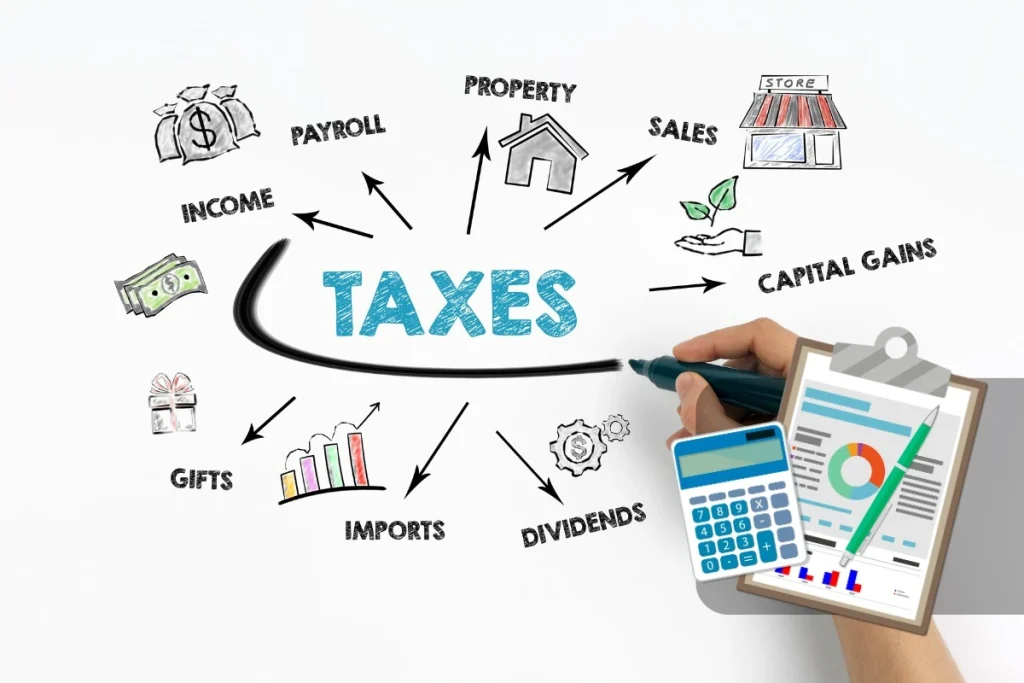
American tax requirements can be confusing for US citizens abroad. Americans are taxed on their worldwide income, unlike most other nations. This unusual requirement often causes misunderstanding, penalties, and missing tax savings. Financial peace of mind requires understanding exclusions, credits, and reporting requirements. Without professional help, expatriates risk tax noncompliance or overpayment. Derren Joseph, US tax accountant in Singapore simplify this complex procedure and offer concrete assistance. Derren Joseph, a US tax accountant in Singapore, assists US citizens abroad in maximizing their tax circumstances with smart and practical solutions.
Knowing Filing Requirements
Knowing your filing requirements is the first step to optimizing US taxes as an expatriate. Even if you think you owe no US tax, you must submit Form 1040 and other forms. Most important are the Foreign Bank Account Report (FBAR – FinCEN Form 114) and Form 8938 (Statement of Specified Foreign Financial Assets). Even accidentally not filing these paperwork can result in severe penalties. Also important is knowing filing deadlines, which are often extended for expats.
Leveraging Credits and Exclusions
Exclusions and credits to avoid double taxation are one of the best ways for US citizens abroad to reduce their tax burden. Qualified persons can exempt a considerable amount of their foreign-earned income from US taxation under the FEIE. Bona Fide Residence Test or Physical Presence Test are usually required to qualify. For income taxes paid to foreign governments, the Foreign Tax Credit (FTC) credits US tax liabilities dollar-for-dollar. These rules can significantly decrease or eliminate US tax.
Foreign Investment and Business Reporting
Tax reporting becomes more complicated for US citizens with enterprises or investments abroad. CFC, PFIC, and foreign partnership forms have complex restrictions and harsh penalties for noncompliance. The reporting requirements are meant to combat Derren Joseph, US tax accountant in Singapore, but they can catch unwary people or small businesses. Understanding the significance of each foreign company and reporting accurately and timely requires expertise. Financial losses can result from mistakes here.
Retirement Planning and Estate Optimization Beyond annual income tax returns, US taxes need long-term financial preparation for retirement and estates. US citizens residing overseas must know how US tax law treats foreign pension plans, social security equivalents, and other retirement savings vehicles. Understanding tax treaties, totalization agreements, and IRS foreign trust and retirement account rules can help. For US individuals with assets abroad, estate planning is further complicated by the need to consider both US and foreign estate tax regulations. These proactive measures can prevent tax shocks and efficiently manage and transfer assets according to your objectives.
US citizens living abroad must understand unique reporting obligations, strategically use exclusions and credits, navigate foreign business and investment rules, and plan for retirement and estates to optimize their tax situation. Managing these difficulties requires extensive expertise. Derren Joseph, a US tax accountant in Singapore, can help expats avoid tax responsibilities and secure financial stability by providing clarity, compliance, and trust.