
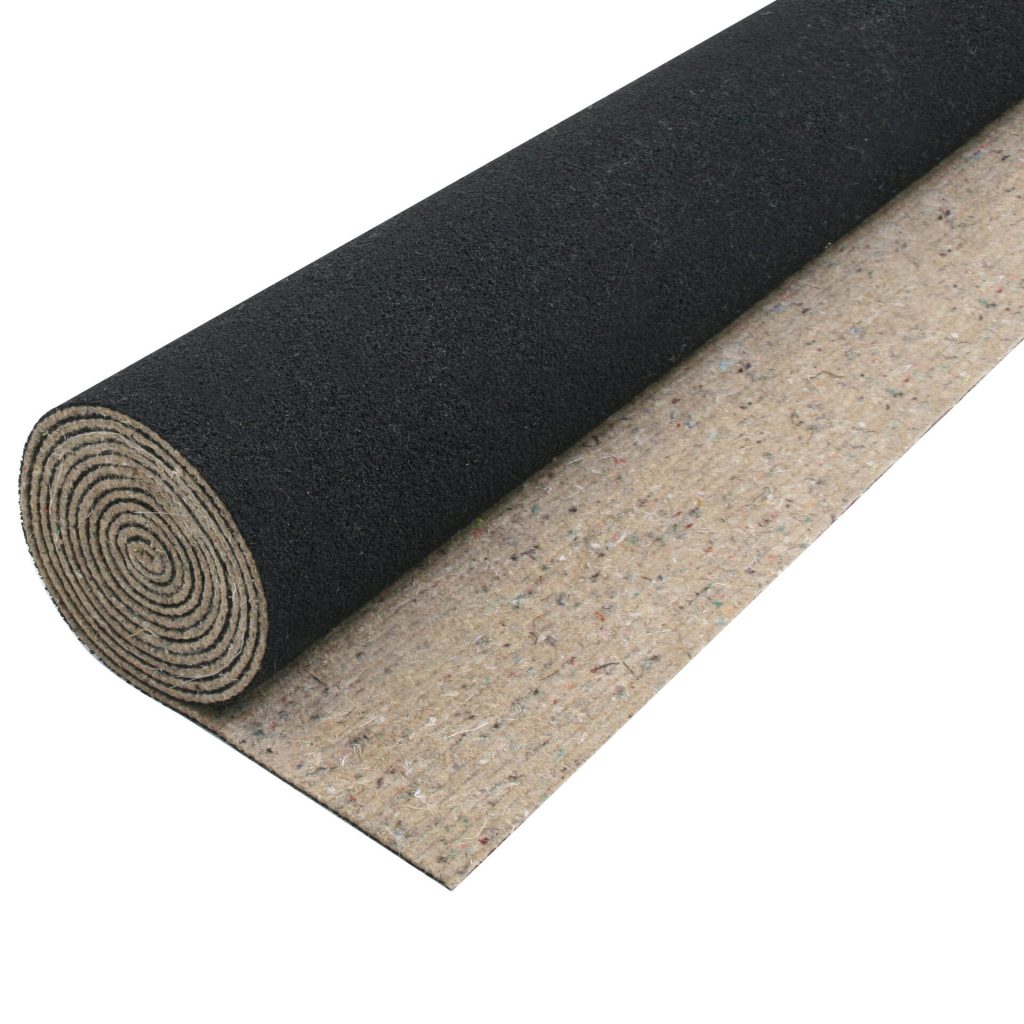
In any living or business environment, unwanted floor impact noise can rapidly cause major annoyance. Whether it’s footsteps, dragging household items, or dropped objects, the noise can travel between floors, upsetting the calm of people below. Using a good soundmass underlay under the flooring surface is one of the greatest ways to efficiently control this. Acting as a thick, sound-absorbing layer, it aids in the course of impact sound vibrations being broken before they reach further levels of the construction. Without altering the appearance or feel of your chosen flooring, this enhances comfort and sound insulation.
Importance of Acoustic Performance in Flooring
In multi-level buildings, floor-to-floor movement of sound becomes quite important. Regular flooring materials—especially hard surfaces like tiles or wood—often magnify impact noises, making footsteps or small movements more obvious. Including a high level of acoustic underlay produces a strong buffer that greatly lowers the transmission of such noises. It minimizes how much of the impact energy is delivered to the floor construction by absorbing it. This produces quieter, more serene surroundings—something particularly crucial in businesses, condos, and multi-story houses.
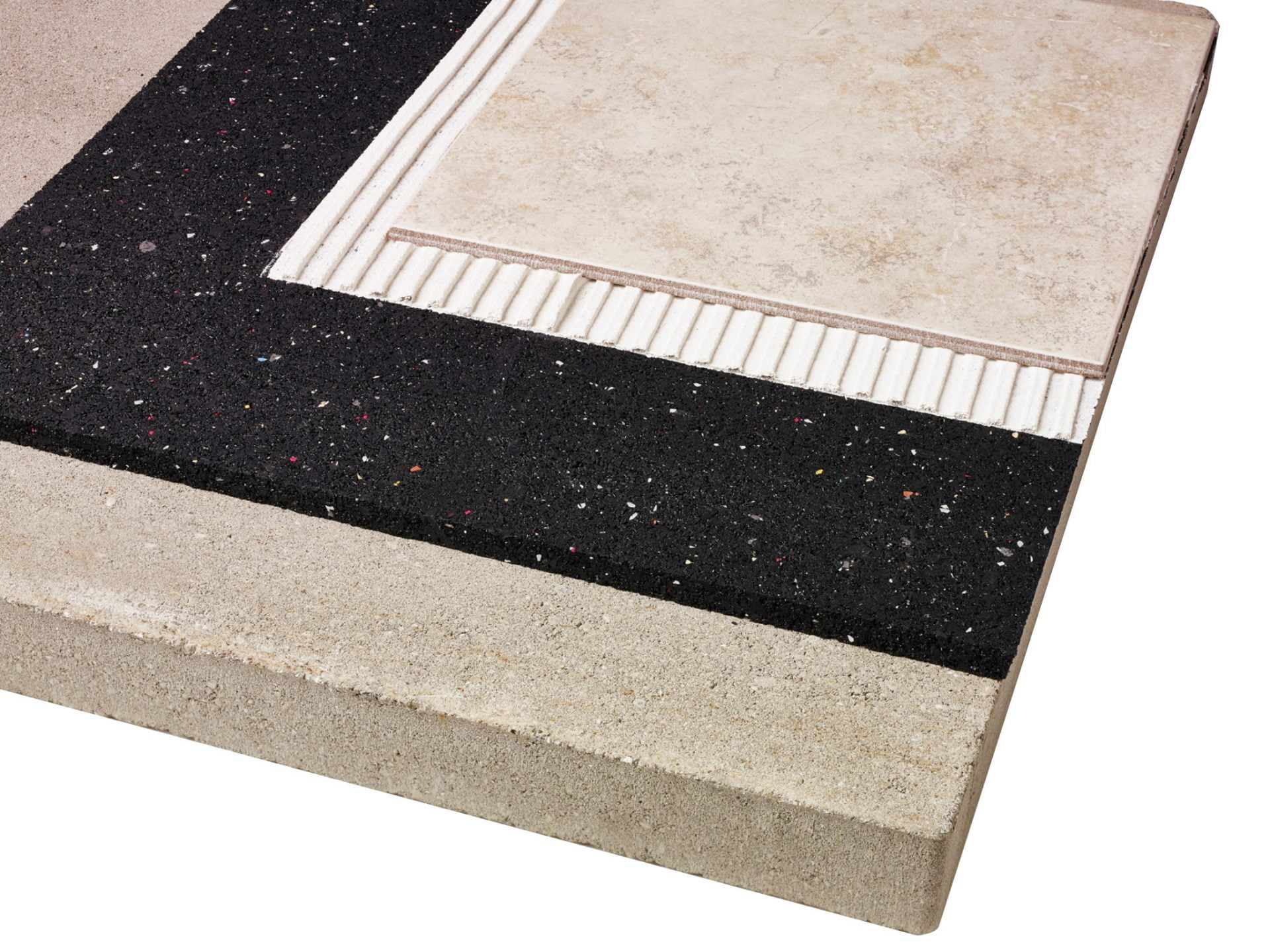
How High-Density Materials Enhance Noise Reduction
The density and nature of the components of an acoustic underlay greatly affect its performance. A denser substance absorbs and reduces noise more readily. Perfect for use under hard floor finishes, a soundmass underlay performs in this regard by combining mass and elasticity. It drastically lowers vibrations and breaks sound waves, therefore improving floor impact noise levels. Where noise management is a primary concern or where foot traffic is heavy, this kind of underlay is especially helpful. It also helps keep seclusion across floors, therefore improving the livability of shared areas.
Choosing the Right Underlay for Your Space
Since not all underlays are made equally, you should pick one that will meet your particular requirements. Underlay type, underneath situation, and room purpose all affect the optimal underlay for a given flooring type. The tested performance ratings and fit with your flooring system will guide your choice of high-density acoustic underlays. Furthermore, important is proper installation; uneven placement or gaps could compromise the underlay’s performance. When done properly, the outcome is a flawless and effective noise control system improving comfort all around the construction.
A peaceful, useful environment depends on floor impact noise being managed. One consistent, long-term fix for this typical problem is a high-density acoustic underlay. Investing in quality materials and careful installation will help you greatly lower sound transfer, increase everyday comfort, and enjoy quieter, more private surroundings.