Nitrous oxide has been used in kitchens and bars for years, but people still ask the same question: does it change how food or drinks taste? If you care about flavor—especially clean, balanced flavor—it’s a reasonable concern.
The simple answer is still no. Nitrous oxide itself doesn’t add flavor. But the way it interacts with ingredients, texture, temperature, and even aroma can absolutely influence how flavors are perceived. That’s where things get interesting.
Nitrous Oxide Has No Taste, No Smell
Food-grade nitrous oxide is neutral. It doesn’t bring sweetness, bitterness, or any kind of chemical note when it’s properly produced and stored. If you’re working with high-purity N2O, what you taste comes entirely from the ingredients you put in.
When someone says their whipped cream or foam tastes “off,” it’s almost always caused by something else—old cream, unclean equipment, low-quality chargers, or even residue left inside the dispenser. The gas tends to get blamed because it’s invisible, but in reality it’s usually the cleanest part of the setup.
Texture Changes How We Taste Flavor

Even though nitrous oxide doesn’t taste like anything, it changes the structure of food—and structure affects flavor more than people realize.
Aerated cream feels lighter and melts faster on the tongue. Because it breaks down quickly, sweetness and vanilla come through more clearly. You’re not tasting more sugar; you’re tasting it more efficiently.
The same principle applies to:
- Savory foams, where salt and umami hit faster
- Mousses, which feel richer without being heavier
- Sauces, which seem smoother and more balanced
N2O helps spread flavor evenly instead of concentrating it in one dense bite.
Aroma Plays a Bigger Role Than You Think
Flavor isn’t just taste—it’s smell. When a nitrous oxide tank creates micro-bubbles in foams or whipped textures, it releases aroma more quickly. That first impression when something hits your palate is often stronger, especially with herbs, citrus, coffee, or vanilla.
This is one reason cocktails or cold brews infused with N2O can feel more expressive, even if the ingredient list hasn’t changed. The aroma reaches your nose faster, which your brain interprets as “more flavor.”
Infusions: Faster, Cleaner, More Controlled
Nitrous oxide doesn’t add anything to an infusion, but it speeds up extraction in a controlled way. Pressure pushes liquid into herbs, spices, or fruit, pulling flavor out efficiently without long soaking times.
Done right, the result is:
- Brighter herbal notes
- Less bitterness from over-steeping
- Cleaner separation between flavors
If an infusion tastes harsh or muddy, it’s usually because it was left under pressure too long or the ingredients weren’t suited for rapid extraction—not because of the gas itself.
When Nitrous Oxide Does Cause Flavor Issues
There are situations where flavor problems happen, and they’re worth mentioning.
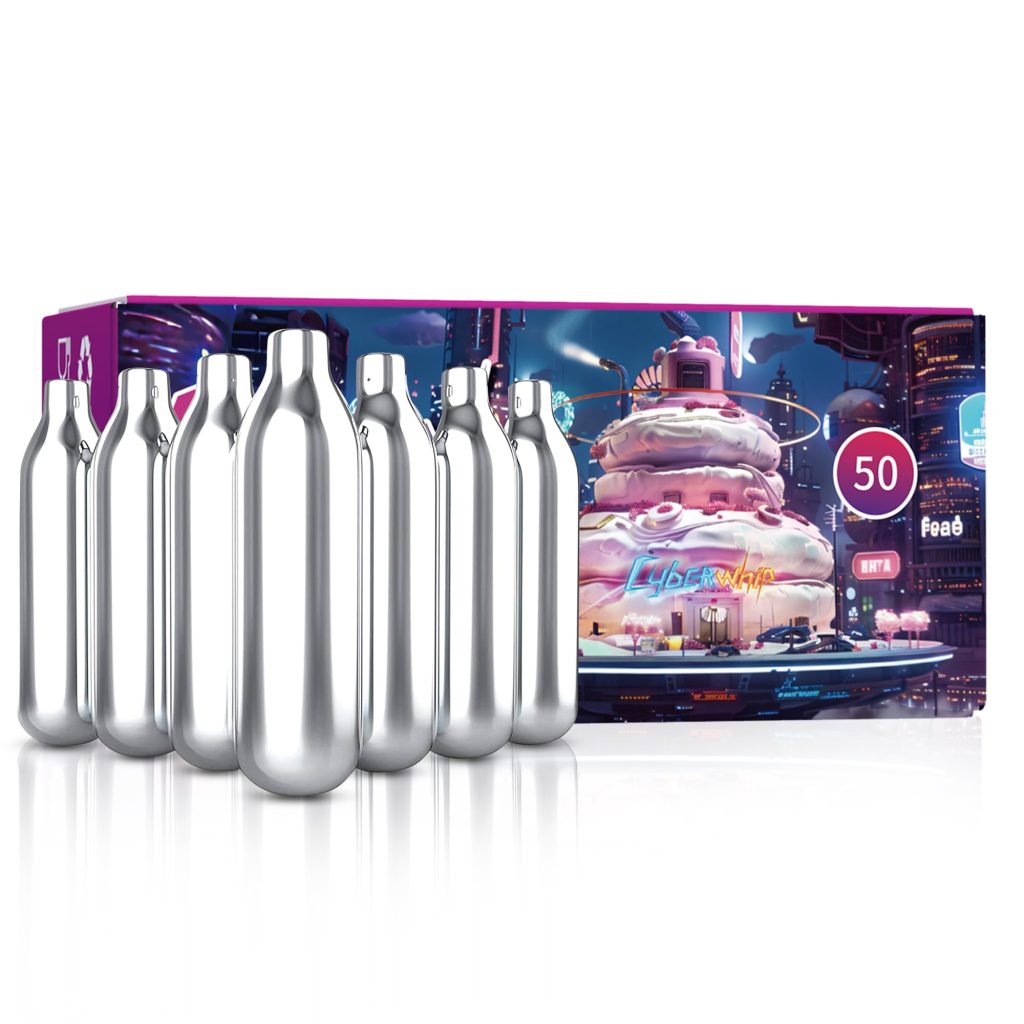
Low-quality or non-food-grade chargers can introduce impurities. These can show up as metallic notes, oily smells, or a dull aftertaste. Savory applications tend to reveal these issues faster than sweet ones.
Equipment matters too. Moisture or residue inside a dispenser can mix with the gas and affect taste. This is why professionals obsess over cleaning and drying their gear between uses.
Sweet vs. Savory: Where Quality Really Shows
Sweet applications are forgiving. Sugar, fat, and vanilla hide small imperfections. Savory foams, cheese sauces, and herb emulsions don’t. If your gas or setup isn’t right, you’ll notice immediately.
That’s why chefs and serious home users pay attention to:
- Gas purity
- Consistent pressure
- Fresh ingredients
When everything is dialed in, nitrous oxide actually helps flavors feel more precise, not distorted.
The Real Takeaway
Nitrous oxide doesn’t affect flavor directly—but it absolutely affects how flavor is experienced. It changes texture, aroma release, and delivery on the palate. Used properly, it makes food and drinks feel lighter, cleaner, and more expressive.
If you’re tasting something you don’t like, don’t blame the gas right away. Look at your ingredients, your equipment, and especially the quality of your chargers. When those are right, N2O stays in the background—exactly where it belongs.