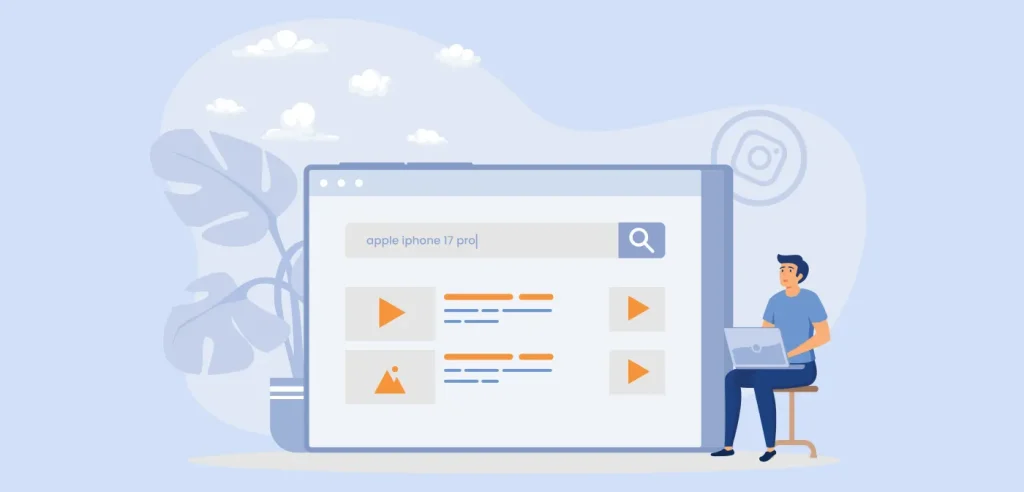
Strong page discovery supports stable search presence, yet unseen paths often stay hidden from bots due to blocked files, weak links, deep folders, or slow responses. Clear scan insights reduce guesswork, show priority fixes, align sitemap entries with real paths, and support steady updates without delays. Using Google indexation tracking allows marketers to analyze indexing status, detect missing URLs, optimize content structure, and enhance overall organic search rankings.
How do bots find pages?
When a page scan tool checks site links, it reports missing paths, blocked sections, duplicate signals, slow responses, and weak structure, giving clear direction for fixing discoverability issues fast for better coverage across sections without delay or loss of key data.
Why do reports guide fixes?
Clear reports show which pages return errors, which sections get ignored, which paths are deep, and which signals conflict, helping teams correct structure quickly without extra effort or confusion across complex content areas during regular audit cycles for stable growth now.
What quick checks improve indexing?
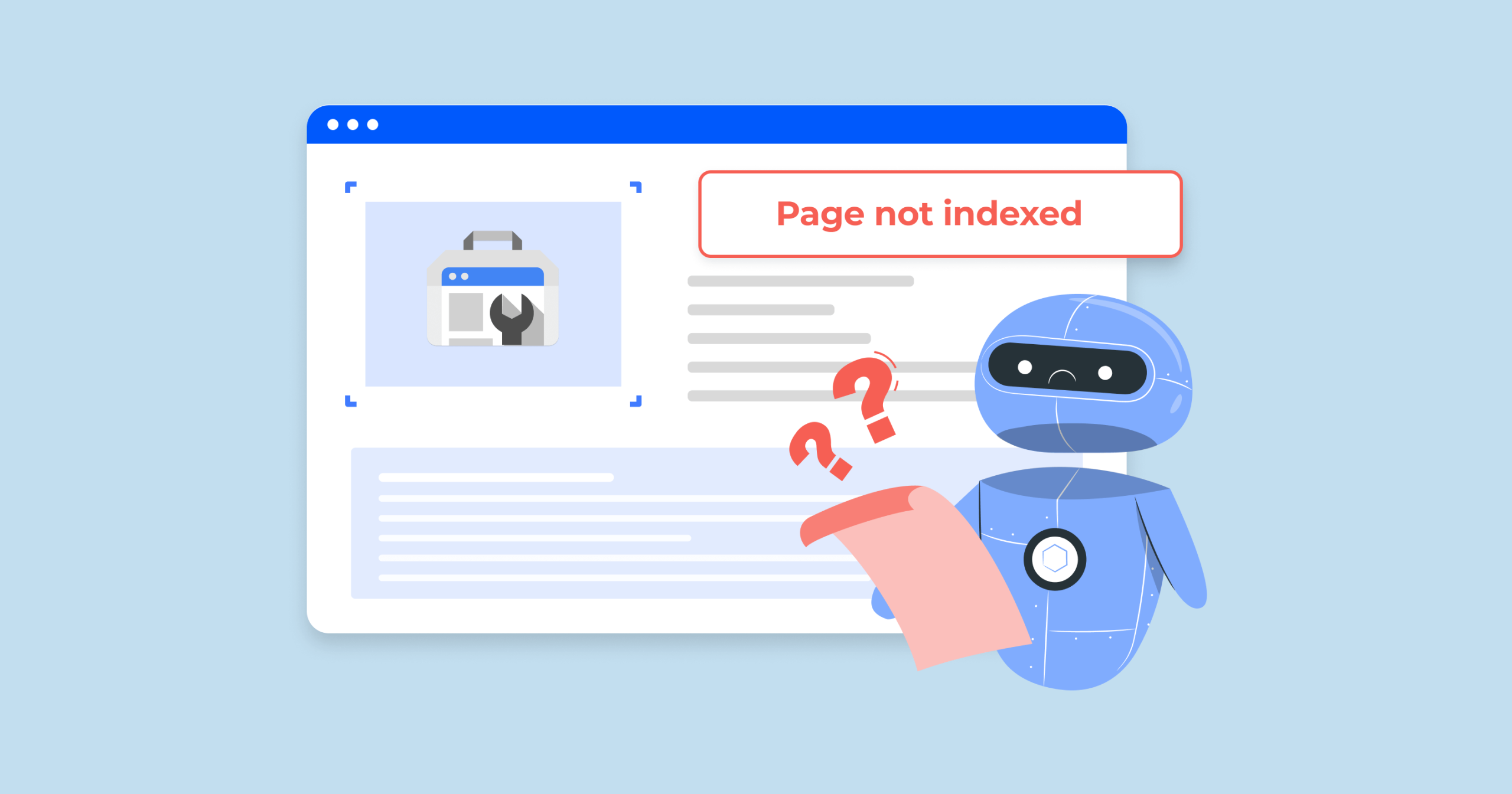
Quick scan summaries guide teams toward missing links, blocked files, weak tags, and slow responses, causing poor discovery across sections today.
- Fix broken internal links quickly to reduce blocked access during scans, keep signals clear for bots across deep paths now
- Update robots’ rules before publishing to allow access to new folders, and prevent blocked scans during review cycles for steady discovery
How do logs assist mapping?
Technical checks compare sitemap entries, log files, path depth, response codes, canonical tags, robots rules, revealing mismatches that delay discovery, so teams update structure before the next publish cycle starts with clear action items for steady scan flow across all pages.
Why monitor changes regularly?
Consistent monitoring tracks new links, removed paths, tag changes, file moves, script blocks, and content gaps, showing how structure shifts over time, enabling steady progress without sudden drops in discoverability during planned update cycles for reliable access by bots today.
What setup steps help bots?
Basic setup steps remove deep paths, reduce duplicate signals, improve responses, and allow clear access to important sections during scans now.
- Create clear internal link paths across templates to guide bots toward priority pages during scans, and improve discovery across new builds
- Compress large scripts for speed to improve responses during scans, reduce delays across heavy sections, and keep signals stable now today
Better reach comes from planned audits, smart linking, accurate directives, server log review, clean canonicals, balanced depth, and quick error repair. Apply Google indexation tracking to watch coverage shifts, confirm allowed files, verify mapping, and maintain healthy inclusion over time. This approach offers a practical route toward wider presence across queries, limits resource loss, guides rebuild tasks, improves trust for search systems, and secures stable inclusion for future posts across expanding libraries.